
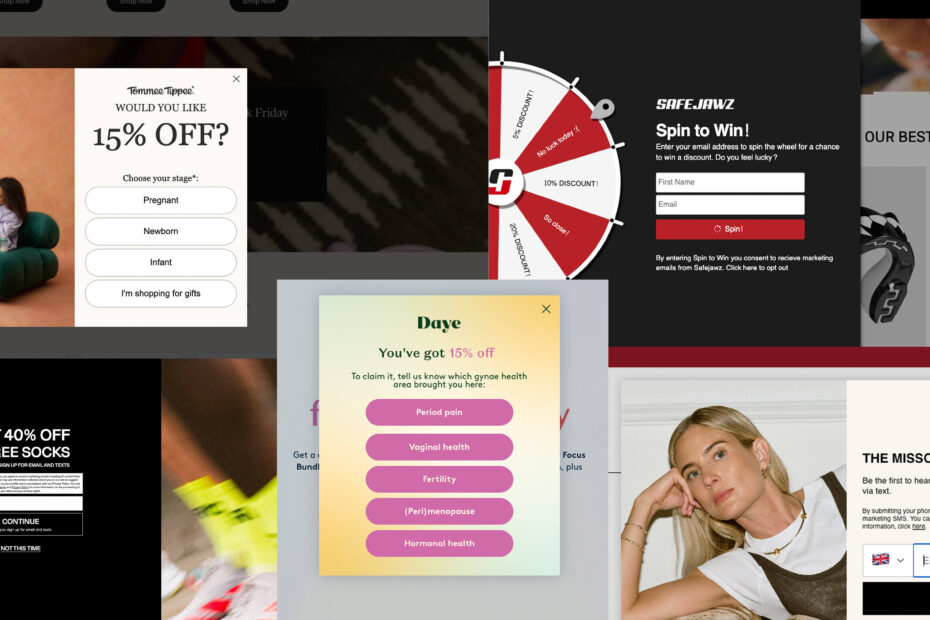
If you’re looking for some tactics to boost email (and SMS) sign-ups and help your brand stand out when it comes to welcoming new subscribers – you’re in the right place! Recently I signed up to over 50+ ecommerce brands email lists, so I wanted to share some approaches that caught my eye.
Here’s 6 tactics that stood out from the crowd:
1. Make sign-up fun 🎯
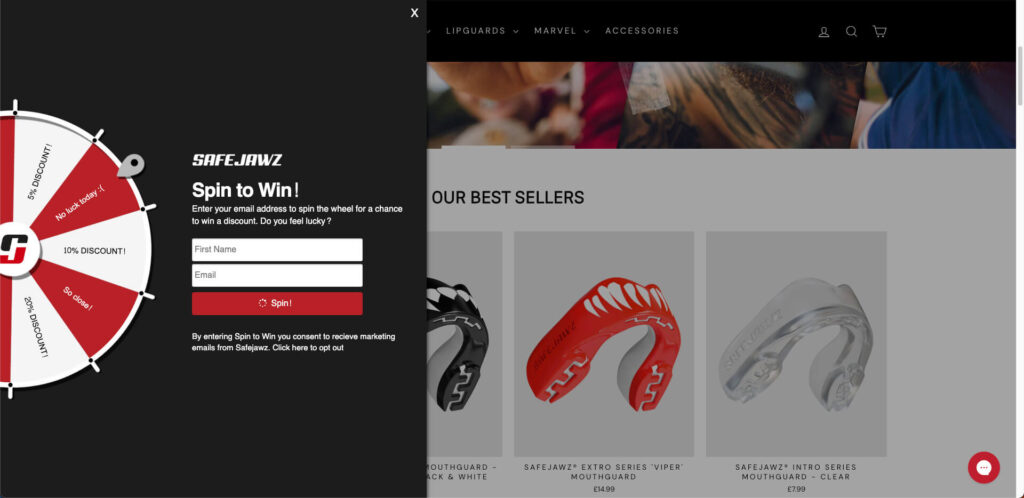
Gamifying your opt-in process can add a burst of excitement and boost sign-up rates. Think scratch to win, spin the wheel, or click to reveal mechanics – all of which add a playful element to that first interaction.
For example, SafeJawz uses a spin-to-win pop-up to grab attention and drive new subscribers straight into their welcome journey.
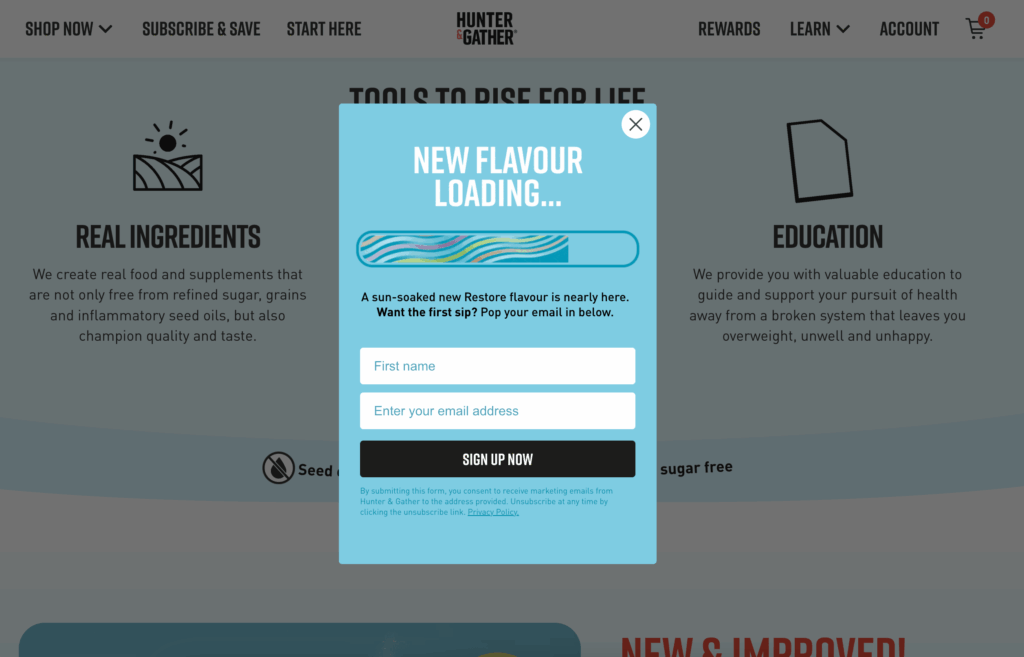
This second example from Hunter and Gather is another great way to boost sign-ups. It’s not interactive like the SafeJawz example, but the animation of the loading bar works well to catch attention and make the sign-up process feel more fun.
Be sure to only adopt this approach if it aligns with your brand tone of voice, it usually works well for fashion retailers or lifestyle brands that tend to have more playful identities.
Keep a watch out for low value sign-ups who take the discount and don’t return. Test segmentation for the pop-up or minimum spend conditions on the incentive to protect list quality.
Once you’ve caught a potential subscriber’s attention, the next step is to make conversion as smooth as possible.
2. Deliver the discount code in the sign-up form 💸
Only a handful of brands I signed up to did this, but it’s such a smart move. By displaying the discount code after the user has submitted their email in your sign up form, you reduce drop-off due to users diverting to their inbox and getting distracted on their return.
The best examples even included a one-click “copy code” button (like this one from BetterYou) to make checkout seamless.
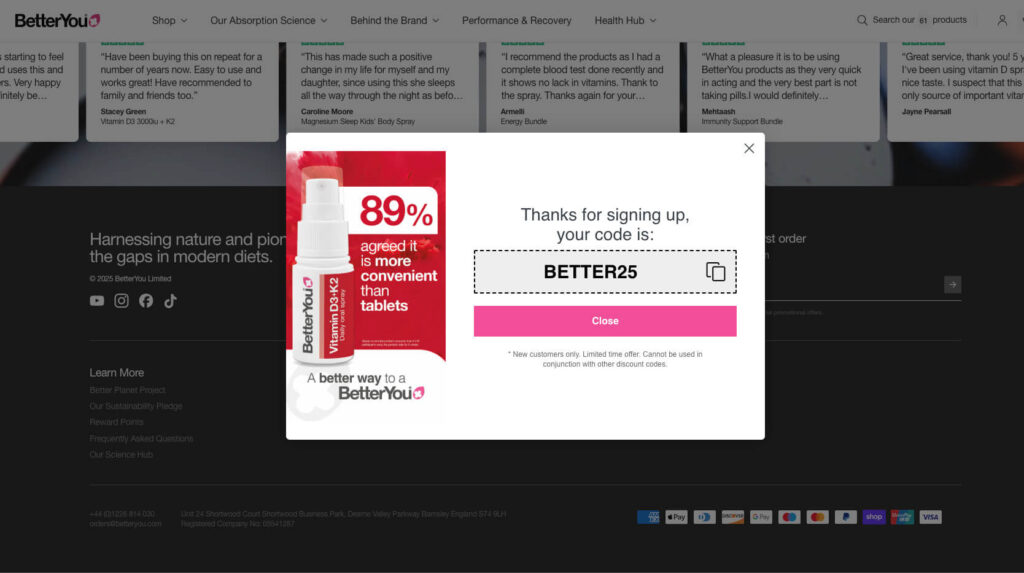
This tactic keeps users on site and focused with no inbox diversions getting in the way of checkout.
Still send the welcome email, it reinforces your brand message and gives subscribers an easy reference if they don’t purchase straight away.
This approach can also reduce customer service queries from people chasing a missing welcome incentive.
Some brands go a step further and use the sign-up moment to build relationships across more than one channel.
3. Encourage multichannel sign-ups 📱
Several brands used two-step forms to capture both email and SMS consent, a smart way to grow your reach across channels.
Step one captures the email (the non-negotiable), while step two encourages SMS sign-up.
Some brands only delivered the welcome offer if you opted in to both channels. That can help to grow your SMS list quickly but be careful of short-term opt-ins from discount hunters.
Instead, communicate a clear value exchange like early access to sales, exclusive content, or customer support via text to give subscribers a genuine reason to stay opted in.
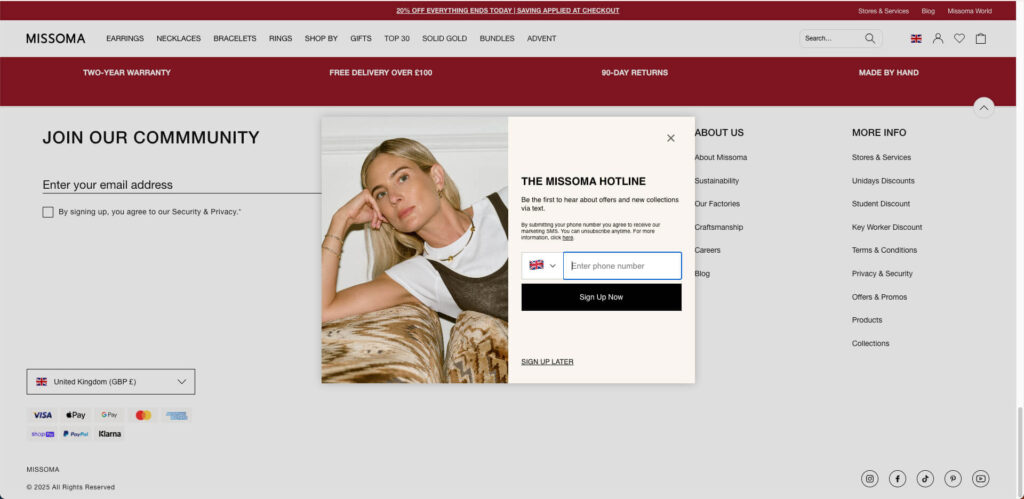
Here’s an example from Missoma that really leans into the value of subscribing for SMS.
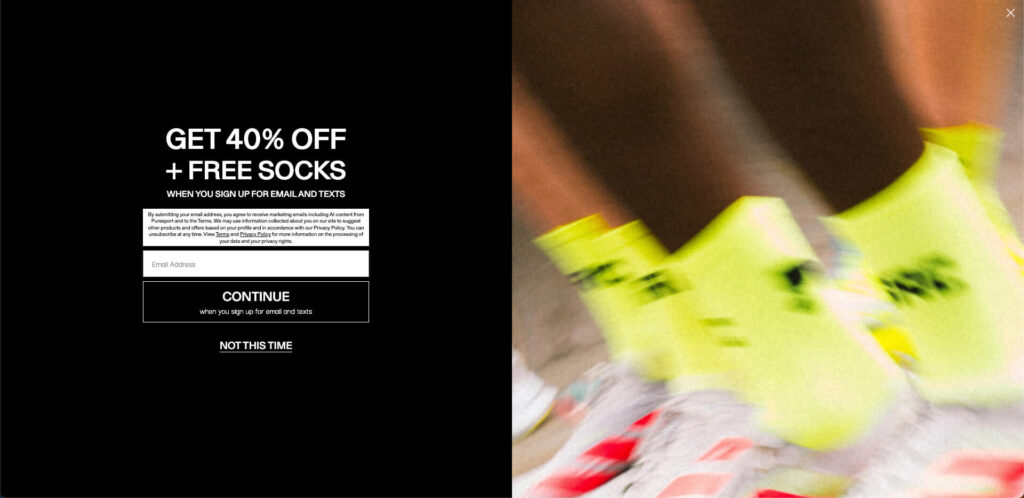
And another example from PureSport, where they bundle in the offer for opt-in to email and SMS.
Besides winning their email and phone number, you can also use sign-up to capture more data on your subscribers.
4. Capture zero-party data early 🧩
The welcome stage is the perfect time to collect valuable customer insights, subscribers are highly engaged and more willing to share information.
Here are two examples:
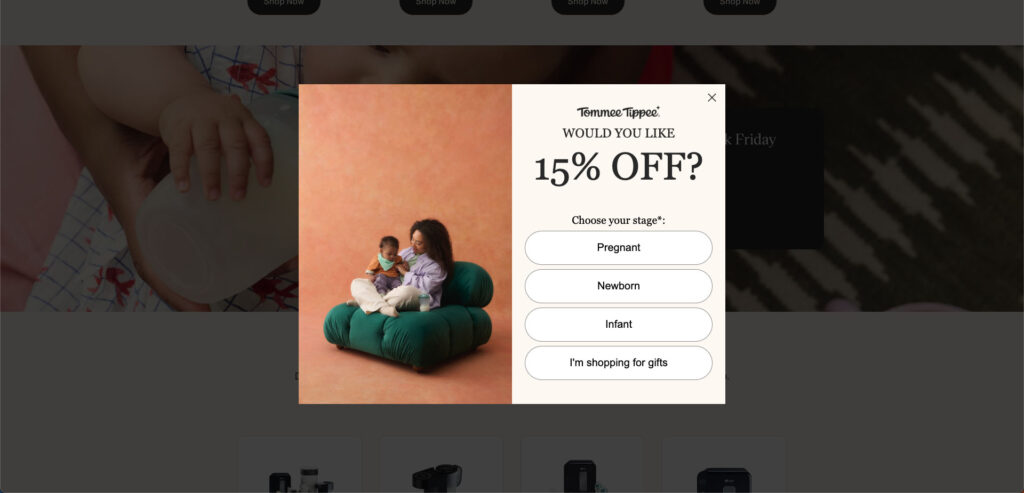
Tommee Tippee uses a two-step sign-up form to ask if users are shopping for a newborn, infant, or gift, followed by the baby’s date of birth.
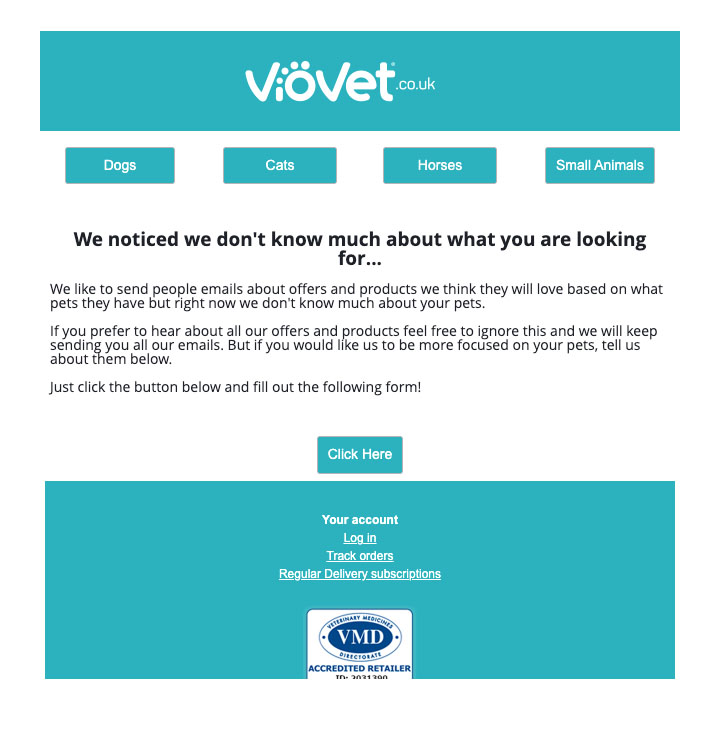
VivoVet takes a similar approach in a welcome email, sending a short survey to learn about the pet each customer is shopping for.
You could even go simpler than the VivoVet example and collect the answer to one key question via email, by allowing the subscriber to click the answer in the email. In the background this could populate a data field or add a tag so you can segment and personalise.
This type of zero-party data enables more tailored content, accurate segmentation and stronger lifecycle triggers from the very start.
And once you’ve captured some data on them, why not surprise them to help build an emotional connection?
5. Surprise customers with an unmentioned perk 🎁
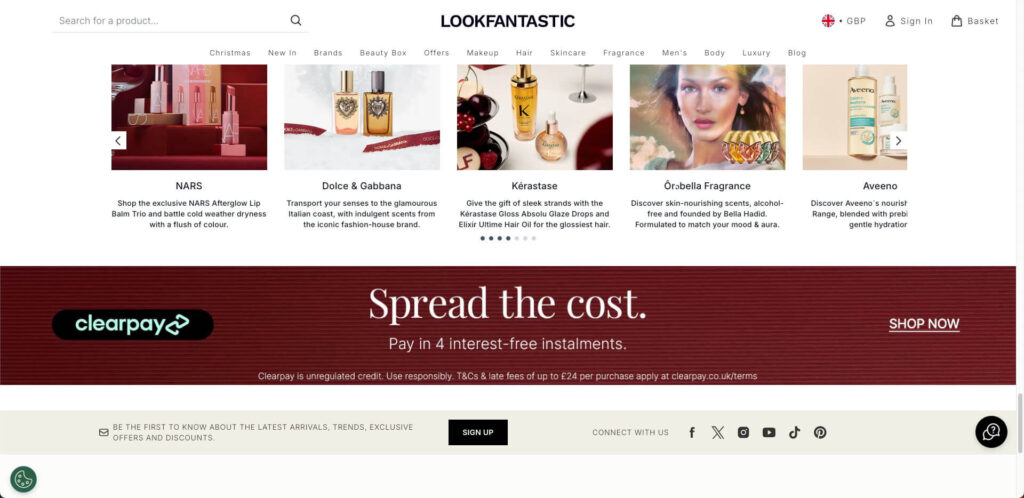
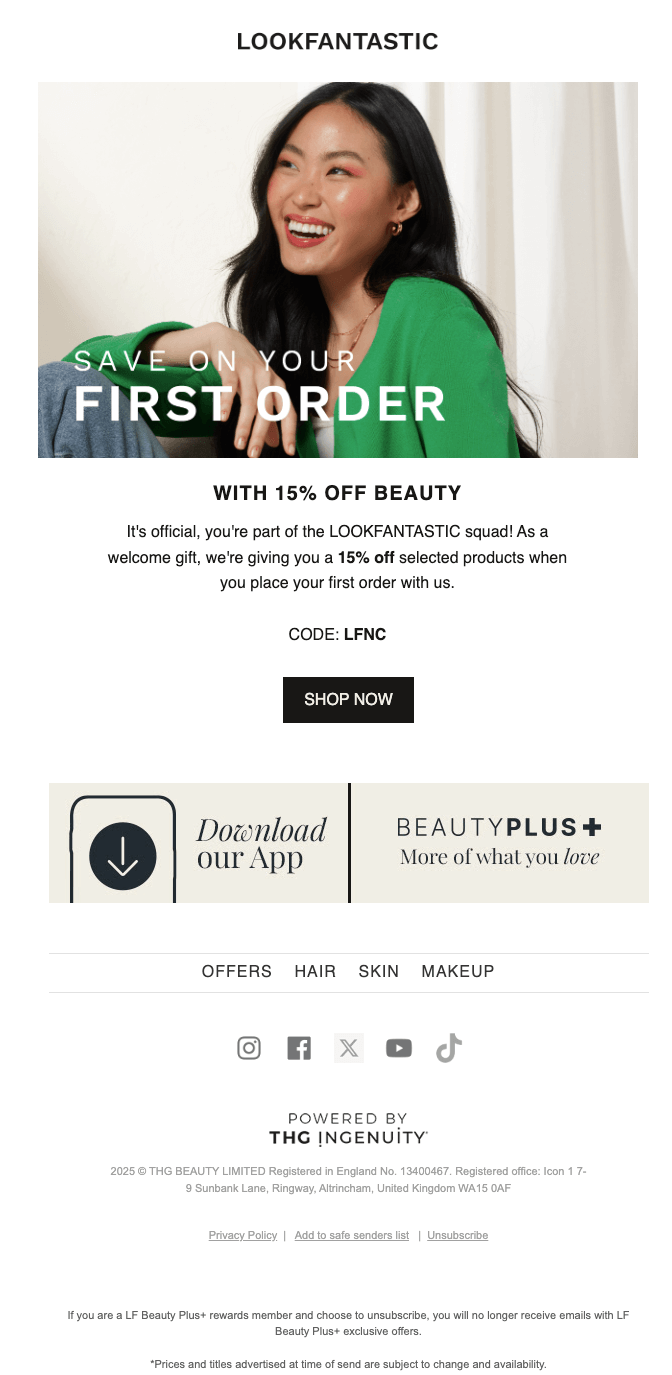
Rather than advertising a discount upfront, try sending one to subscribers as a surprise after sign-up. I experienced this with LookFantastic, their sign-up form made no mention of a welcome offer, but within a few minutes of subscribing they dropped a 15% discount in my inbox!
This small surprise creates a memorable first impression and drives conversion through delight – not expectation. It’s a great tactic for brands who want to balance generosity with perceived value.
And if you’re expanding into SMS, there are a few thoughtful ways to make that first touchpoint feel personal too.
6. Add SMS support messaging 💬
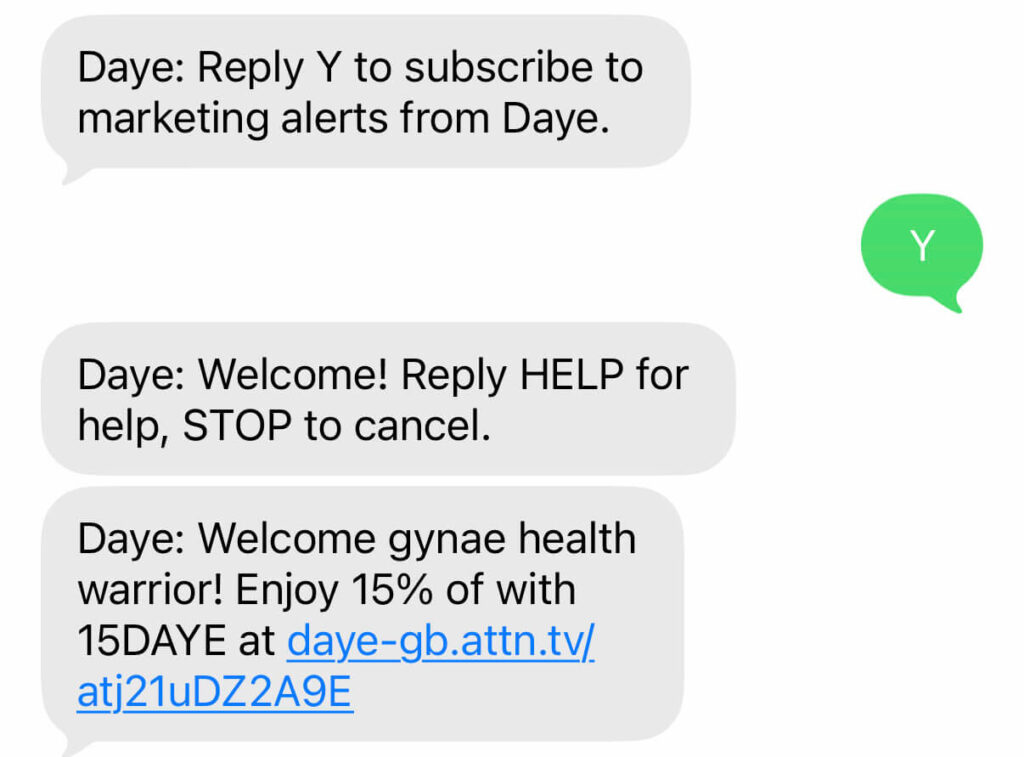
A few brands took their SMS strategy beyond pure promotion offering subscribers the ability to reply and ask for help. DAYE, for example, includes “Reply HELP” in their welcome SMS, giving subscribers quick access to support.
This small detail humanises the brand and builds trust, showing that your SMS channel isn’t just another marketing broadcast, but a real-time support tool.
Final thought
Whether you’re rebuilding your welcome strategy or just looking for small tweaks, these ideas can help you make a memorable first impression.
The best welcome journeys aren’t just about getting that first sale, they set the tone for the entire customer relationship.
Which of these tactics will you test first? If you’d like a fresh pair of eyes on your own welcome flow, take a look at my Flow Forward service.